Menu i. — Nearby

Sant'Agata
e dintorni.

A tufa-cliff borgo in the Aglianico hills, an Infiorata that lands on the Sunday we're already in town, and a half-dozen corners of the Sannio worth the short drive.

To town center
≈ 5 min
To Caserta
≈ 40 min
To Lago di Telese
≈ 20 min
To Cerreto Sannita
≈ 40 min
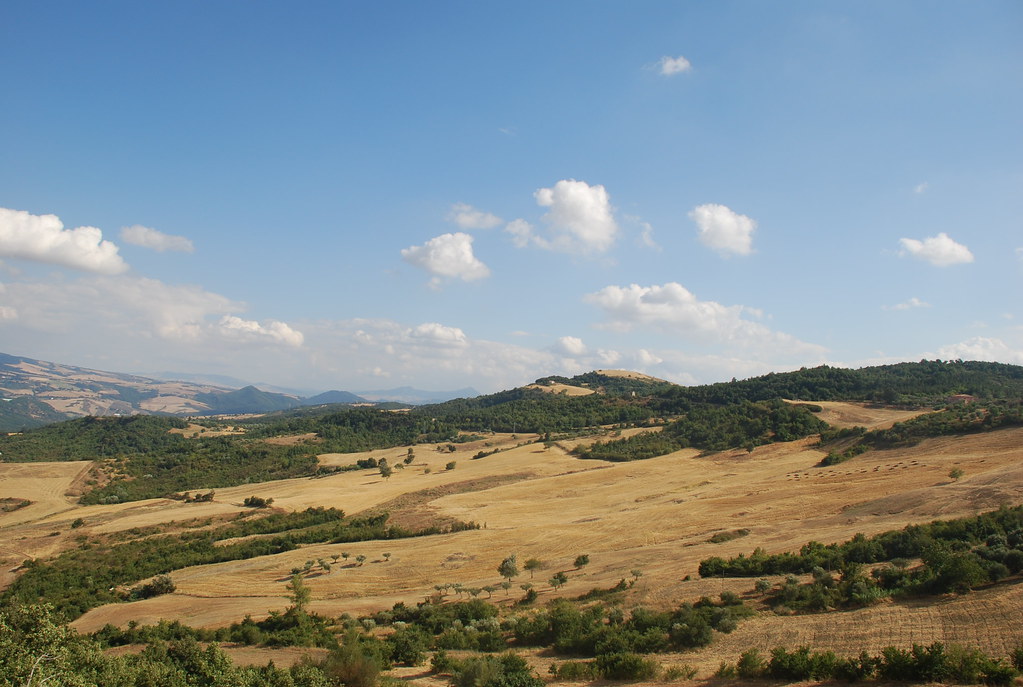
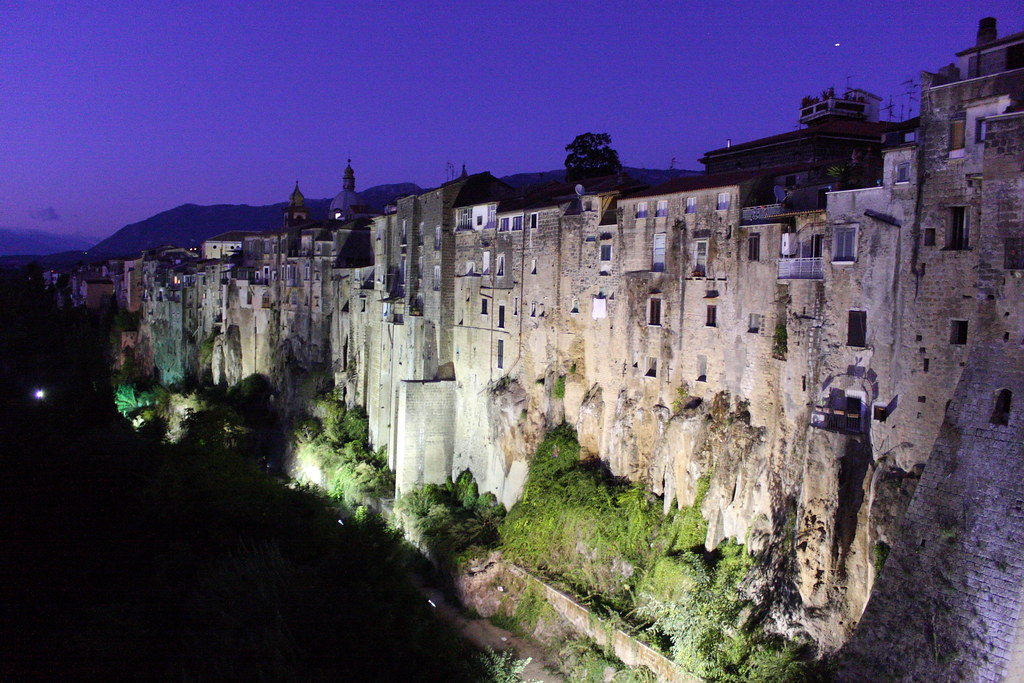
Sant'Agata de' Goti from the tufa cliff
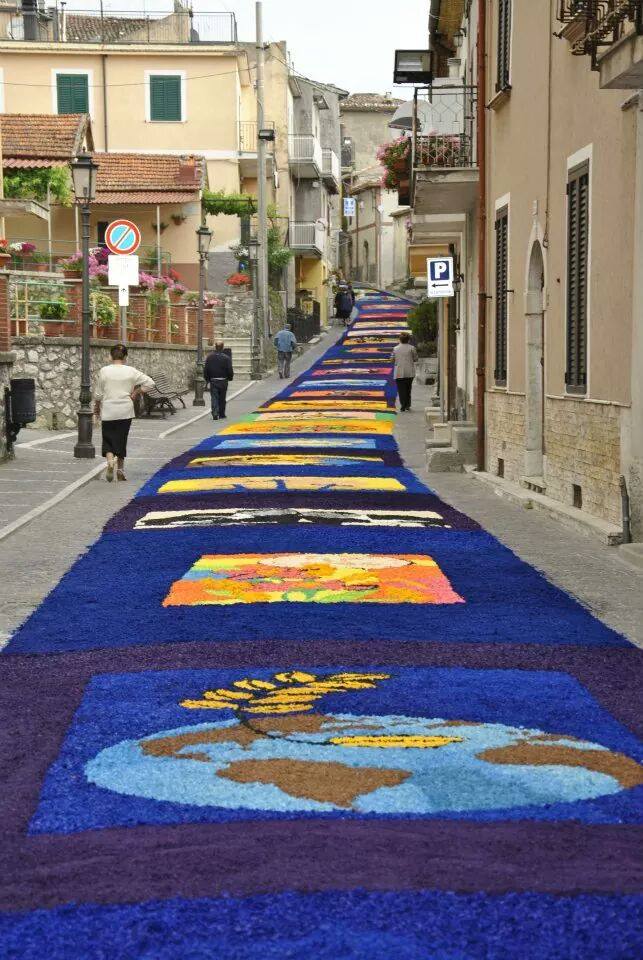
Infiorata del Corpus Domini
I

Infiorata del Corpus Domini

The Infiorata is Sant'Agata's single most famous local event — the centro storico carpeted overnight with intricate "paintings" made entirely of flower petals, laid for the Corpus Domini procession to walk over the next morning. It lands on Sunday 7 June 2026, the eve of our departure.

Best viewed early, before the procession passes and the petals are scuffed. Cusano Mutri stages its own Infiorata the same day, for anyone with energy left to make the second stop. Confirm the schedule via the Comune di Sant'Agata in the week prior — the exact route shifts year to year.
II

The borgo, on foot

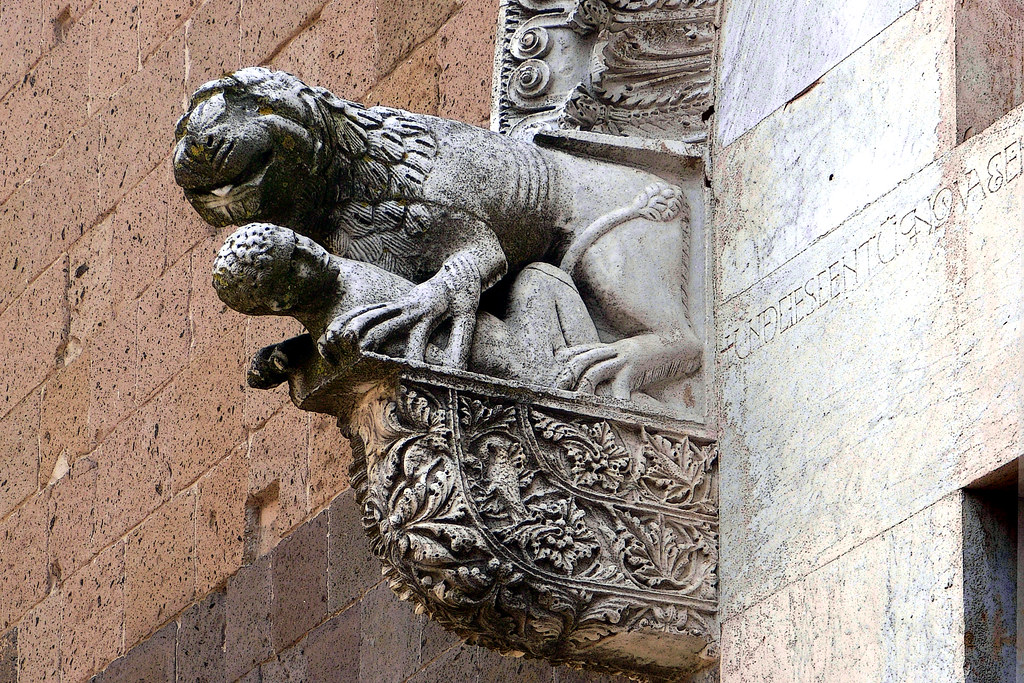
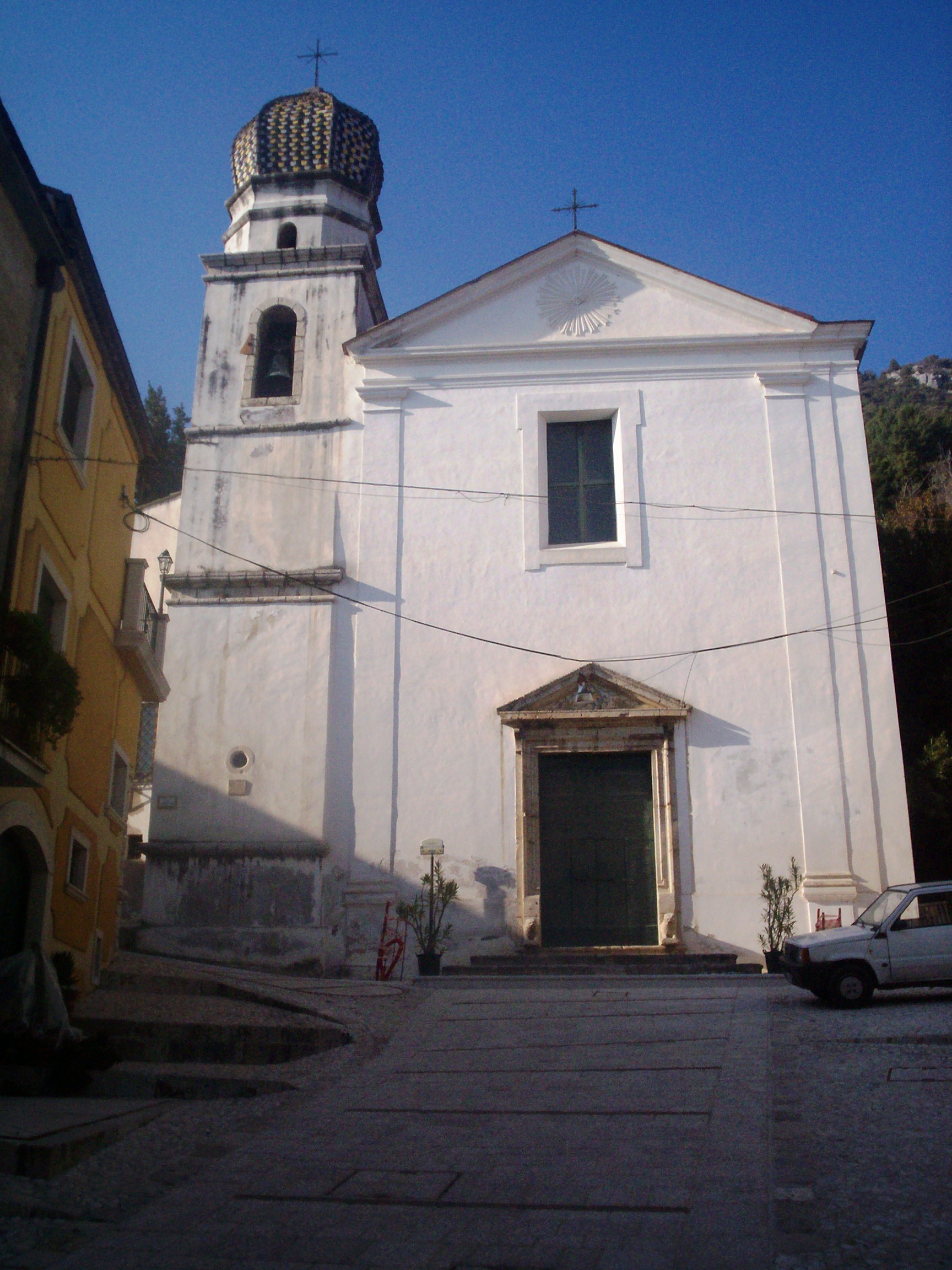
Sant'Agata is small enough to know in a morning and layered enough to keep returning. The cobblestones argue with the stroller; the views from the tufa rim do not. Locals will point you toward the Lavatoio Reullo, an ancient public laundry tucked among the ruins of a monastery on the edge of the centre and not in the guidebooks. The Chiesa dell'Annunziata hides 14th-century frescoes inside a Gothic interior, behind a Romanesque façade easy to walk past.

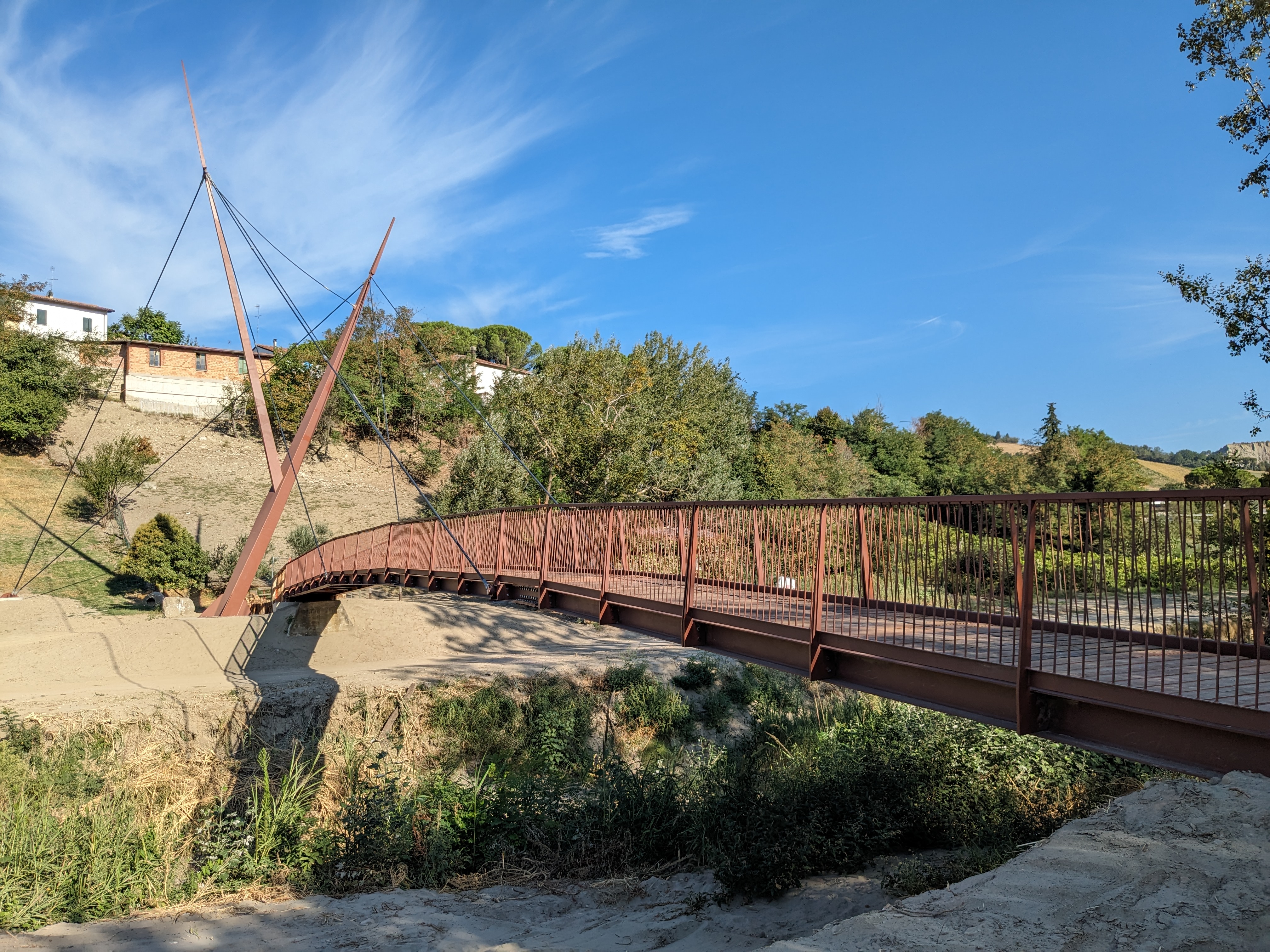
The Castello Ducale anchors the old town and keeps mythological frescoes on its walls; visits are typically by appointment, arranged through the Comune. The bridge view from Ponte Vittorio Emanuele, looking back toward the tufa cliff, is the postcard image of the town — best in late afternoon, when the cliff turns gold.

The borgo, on foot
III

Agriturismo L'Ape Regina

A honey-themed agriturismo five minutes from base — beekeeping demos toddlers can watch, a kitchen that earns its TripAdvisor reputation. Phone before going; small operation, busy on weekends.

IV

La Fattoria di Biancaneve

A "Snow White and the Seven Dwarfs"-themed petting farm inside Sant'Agata, aimed squarely at the one-to-six band. Rarely surfaces in international guides; consistently on the local TripAdvisor cluster. June hours are not posted reliably online — call ahead before driving over.

"The cobblestones argue with the stroller; the views from the tufa rim do not." — from "The borgo, on foot"
V

Lago di Telese & Parco del Grassano

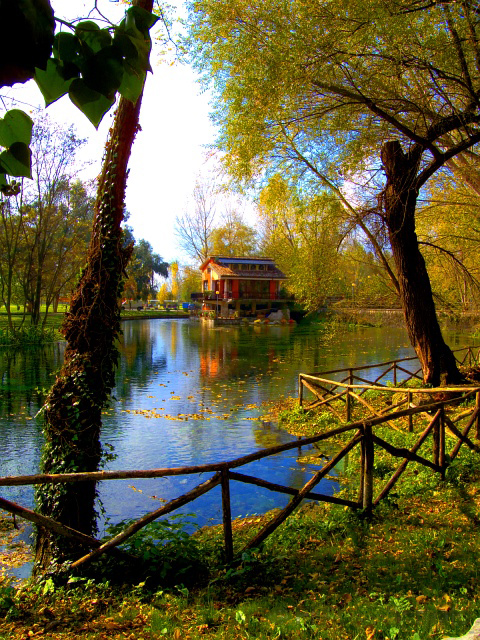
Twenty minutes from base. A small natural lake — formed by the 1349 earthquake — rimmed by four or five chalets, a flat promenade, padel courts, and a jogging path. Three kilometres on, the Parco del Grassano: a turquoise spring-fed stream in a shaded oasis of linden, willow and poplar, with ducks, geese, and otters, equipped picnic spots, and free entry.

This is the single best low-effort outdoor day for a napping one-year-old anywhere in the area. Stroller-friendly throughout. Grassano opens daily.

Lago di Telese & Parco del Grassano
Basilica di Sant'Angelo in Formis
VI

Basilica di Sant'Angelo in Formis

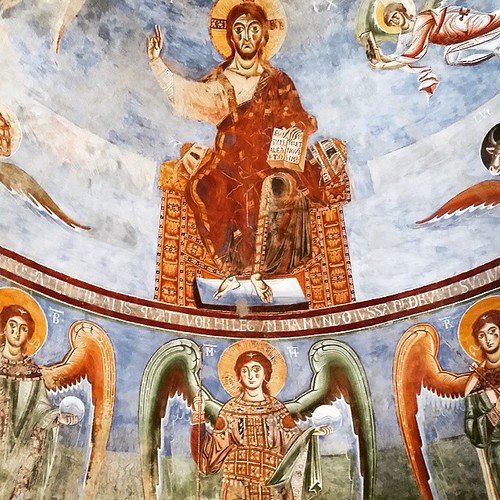
Forty minutes south, on the slopes of Monte Tifata above Capua. An 11th-century Lombard-Norman basilica built directly over the Roman Temple of Diana Tifatina, with Romanesque columns reused from the pagan temple inside. Its walls carry the largest and most complete medieval Byzantine-Campanian fresco cycle in southern Italy — roughly a hundred scenes from Old and New Testaments and a Last Judgement, painted between 1072 and 1087 under Abbot Desiderius of Montecassino.

This is, by some distance, the most underrated art site in the area. Almost no foreign tourists. Free entry. Open Monday through Friday 9:00–12:30 and 16:00–19:30; Saturday and Sunday 10:00–12:30. Pair with Caserta Vecchia for a half-day on the way to or from the Royal Palace.

Basilica di Sant'Angelo in Formis
VII

Caserta Vecchia

The old hilltop village of Caserta, ten kilometres above the Royal Palace at four hundred metres. Declared a national monument in 1960. Cobbled lanes, the Siculo-Norman Duomo di San Michele Arcangelo (1113–1153) in lava tuff with marble columns reused from Roman Calatia, the gothic Torre dei Falchi — at thirty metres, one of the tallest fortified towers in Europe — and the small gothic Chiesa dell'Annunziata tucked among the craft shops.

Park at the Chiesa di San Rocco (€2 for the day); no cars allowed inside the borgo. Best in evening light.

Caserta Vecchia
VIII

Cerreto Sannita & San Lorenzello

Twin Bandiera Arancione villages, forty minutes north. Cerreto rebuilt on a planned Baroque grid after the 1688 earthquake; San Lorenzello, its sister ceramic town, reached on foot across a pedestrian bridge over the Titerno. The Civic Museum of Ceramics sits in the 18th-century former convent of Sant'Antonio.

For a live workshop, the Bottega Nicola Giustiniani – Elvio Sagnella on Via San Donato in San Lorenzello, where a master ceramist throws albarelli on the wheel for visitors. Children watch the wheel; adults buy holy-water stoups and apothecary jars in the centuries-old Cerretese pattern. The Forre di Lavello viewpoint over the gorges is stroller-feasible from the rim.

Cerreto Sannita & San Lorenzello
IX

Caseificio Il Casolare

A working buffalo dairy in Alvignano, forty minutes south. See the animals, watch the casari stretching mozzarella through a viewing window, eat lunch on-site. Mornings — before eleven — for the freshest cheese and the cheese-making in motion.

Half the drive of famous Vannulo, no coach crowds, equally serious product, easy parking. Phone (0823 610906) to verify June hours before driving over.

"See the animals, watch thecasaristretching mozzarella through a viewing window, eat lunch on-site." — from "Caseificio Il Casolare"
Caseificio Il Casolare
X

Telesia archaeological park

The ruins of Roman Telesia, twenty-five minutes from base — Roman walls, amphitheatre traces, a cistern from the aqueduct that ran six miles down from the Matese. Pair with the Norman Romanesque bell tower at Telese's Vescovado, the only structure to survive the 1349 earthquake. A grandmother-friendly Roman-Norman pairing without crowds.

XI

Guardia Sanframondi

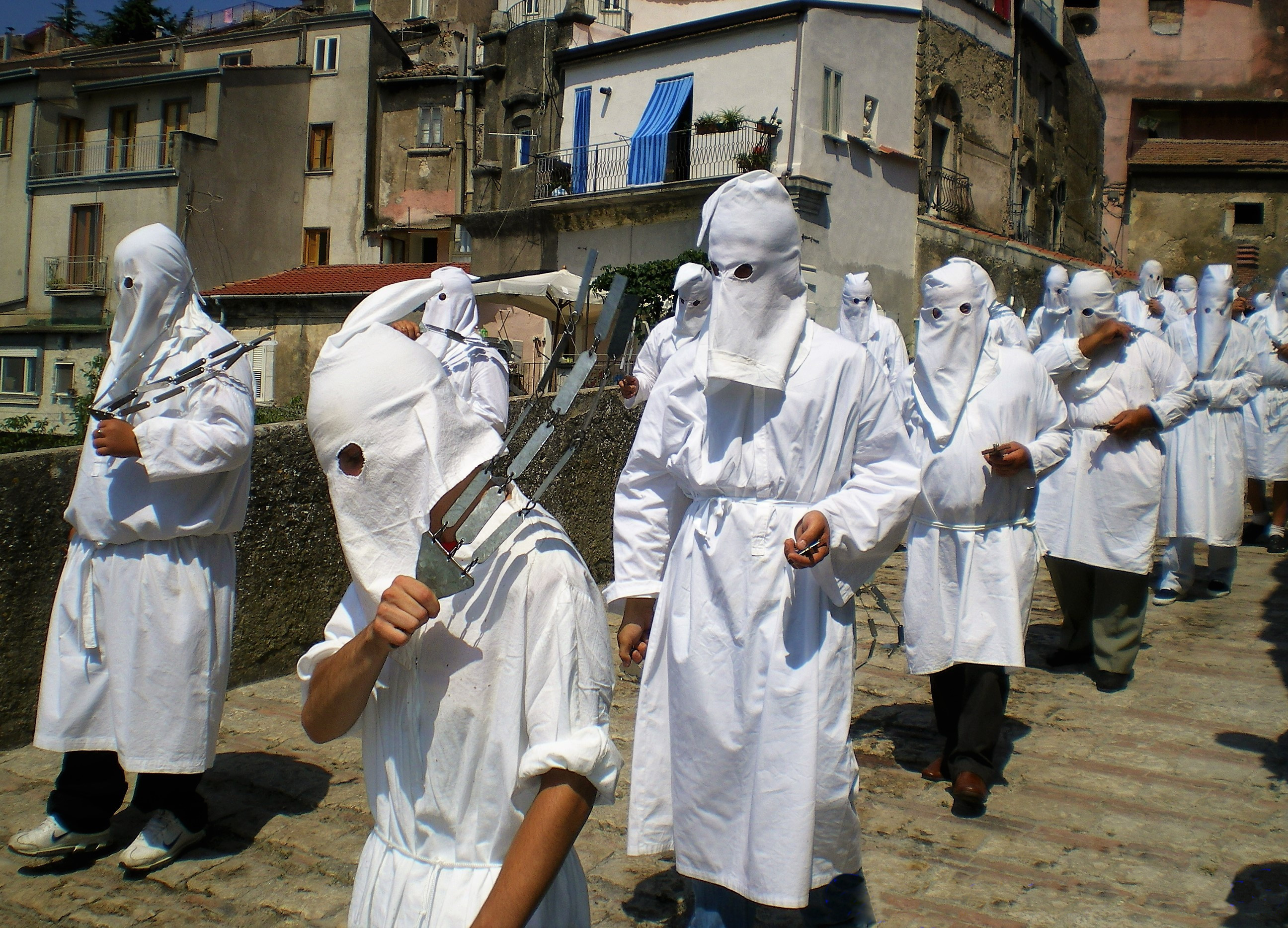
A medieval Castello and an intact centro storico in the Falanghina del Sannio "Guardiolo" sub-zone, thirty-five minutes north. The famous Battenti rites run every seven years — last in 2024, next in 2031 — so not this visit. Pair with Cerreto Sannita on one full day.

Guardia Sanframondi

Image credits

Each image carries full per-image attribution — author, source, and license — inside the lightbox when you click it.